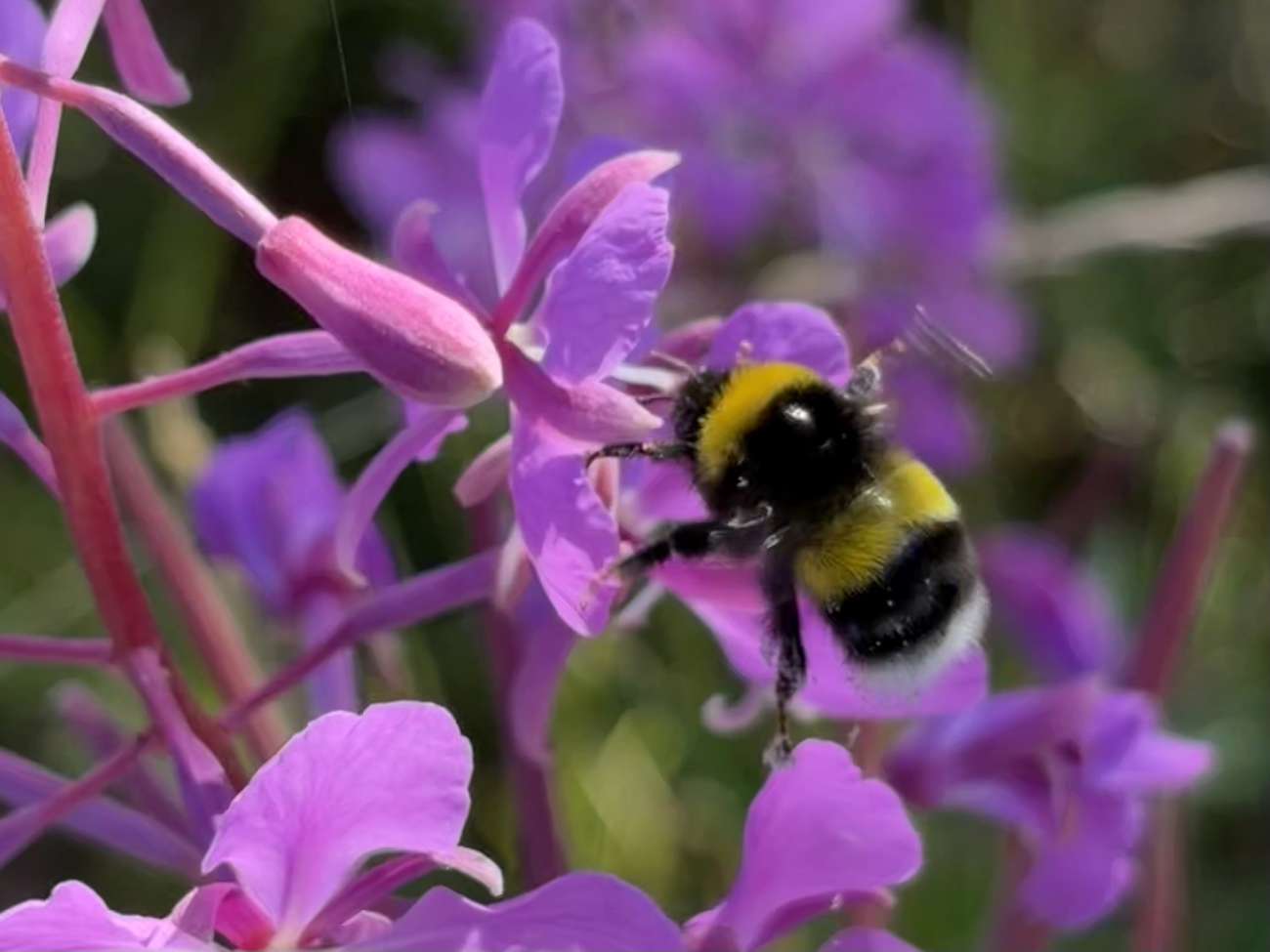
What I Found This Summer: The Pollinator Partnership Canada Experience
When I started my summer with Pollinator Partnership Canada (P2C), I knew almost nothing about pollinators. Bees, flies, wasps, flowers, habitats, it all felt like an unfamiliar world with an overwhelming amount to learn. Looking back now, I can say that stepping into that unfamiliar world was one of the best decisions I have ever made.
I began my learning by watching and studying the seven part virtual modules provided by P2C. The modules covered a wide range of topics related to pollinators. Here, I learned simple facts, like the way certain pollinators have evolved over time and the life cycles of different types of bees, as well as more complex ideas, such as how to expand your impact and create safe and proper habitats for pollinators.
Despite learning many interesting things from the modules, what left me most in awe was realizing just how important pollinators are to food production throughout the globe. Not to mention, before summer, my knowledge on the topic of pollinators was practically elementary, and knowing that honey comes from pollinators was the end of it.
I quickly learned that pollinators are essential to both the quantity and quality of food we produce. Pollinator-dependent crops supply many of the nutrients people require in their meals and make a substantial contribution to the world's food production.
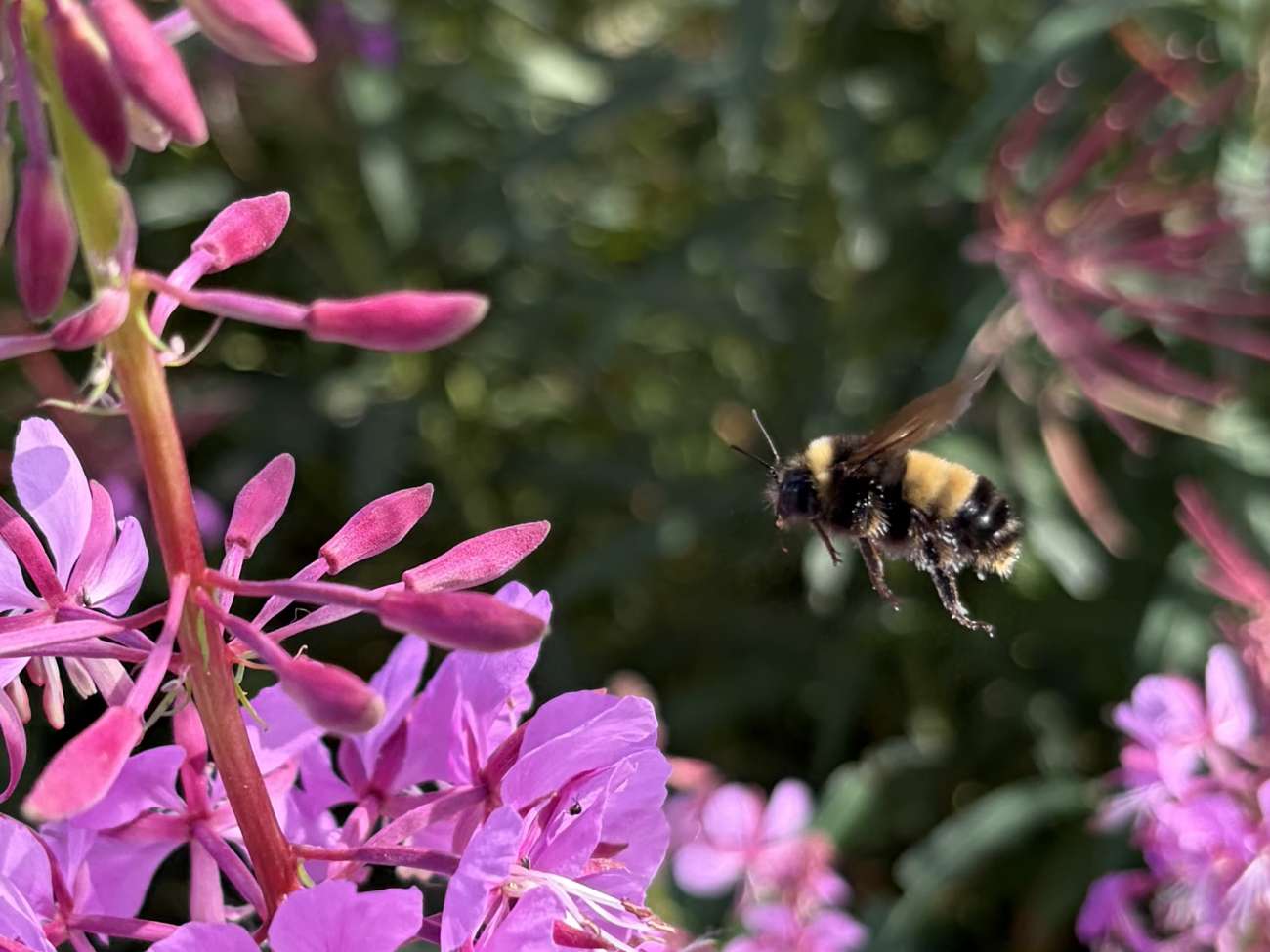
I also learned from the modules how to identify bees from flies or wasps. This was a skill I ended up using a lot throughout the summer for the Plan Bee Community Science Project.
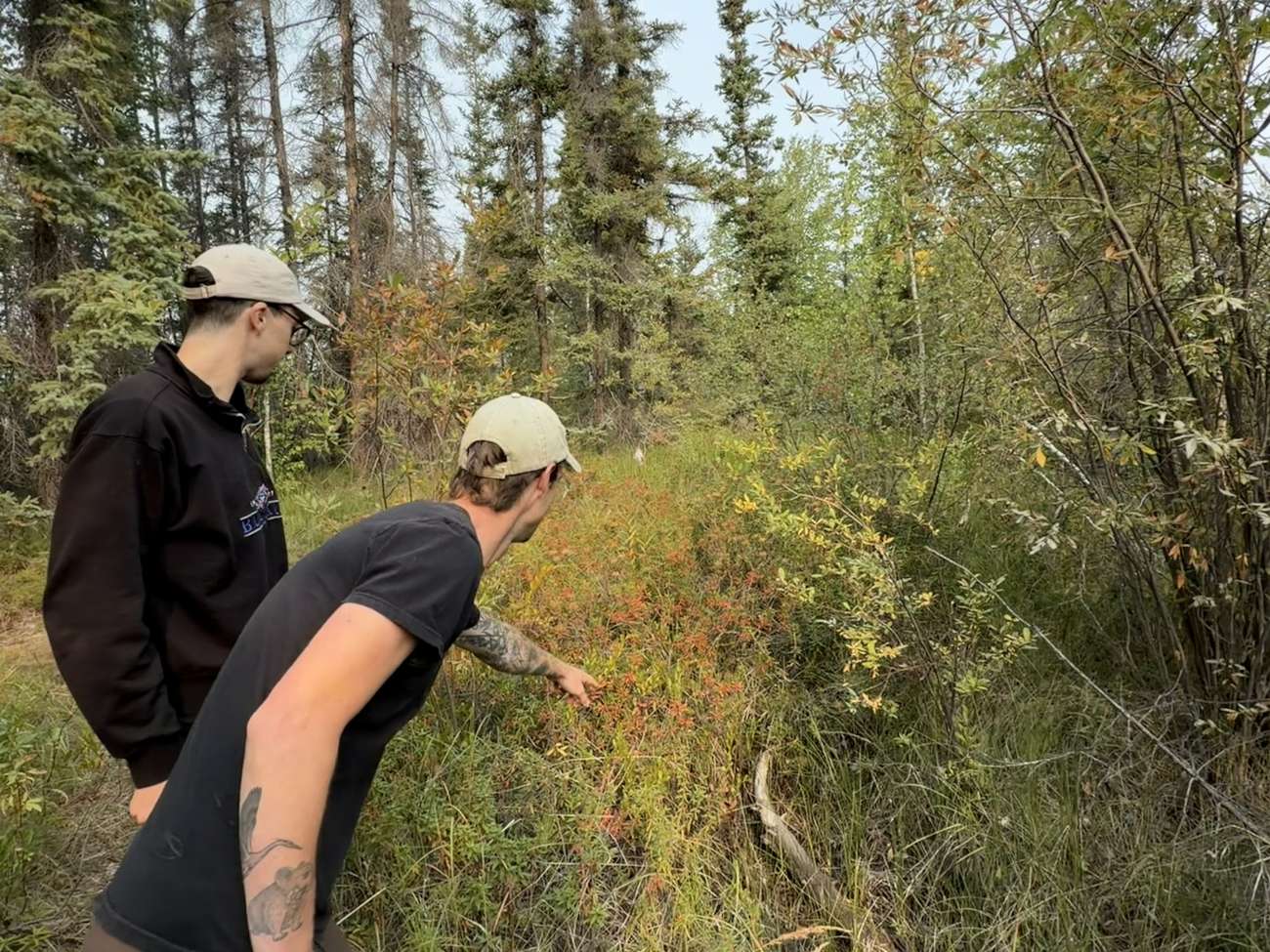
Because of Plan Bee, I was able to spend a lot of my summer outside in nature, going on walks and looking for bees. It took me quite a bit of time to get accustomed to identifying pollinators, especially since they are so small and fast. Fortunately for me, Anthony Colangelo, the Education Manager at P2C, took me under his wing and showed me how to identify different pollinators and the best ways to photograph them.
Anthony was also the person who introduced me to the iNaturalist app. He taught me the most efficient ways to sort through my photos and upload my observations to the app.
I remember the first time he showed me the different features of iNaturalist. He mentioned that there was a leaderboard that shows who has the most observations in our area. Seeing this immediately made me competitive. I remember asking Anthony how many observations he thought I would have by the end of the summer, and he said, “I think you’ll end up around 75,” before adding, “Yeah, I think that’ll be a good goal for you.” I just nodded and agreed, but in my head, I took that personally.
I got to work, and my first bee observation happened to be quite a special one. Not only was it my first observation, but it was also Ashton’s Cuckoo Bumblebee, one of the rare and endangered bumblebee species found in our area. The bee I so desperately wanted to find because it shared my middle name.
Towards the end of summer, I had made it all the way up to the third spot in the leaderboard. I passed the goal Anthony set out for me and reached triple digits. But doing so felt like a full-circle moment that Anthony had scripted for me. My 100th bee observation was none other than Ashton’s Cuckoo Bumblebee, the same species I had found for my very first observation.
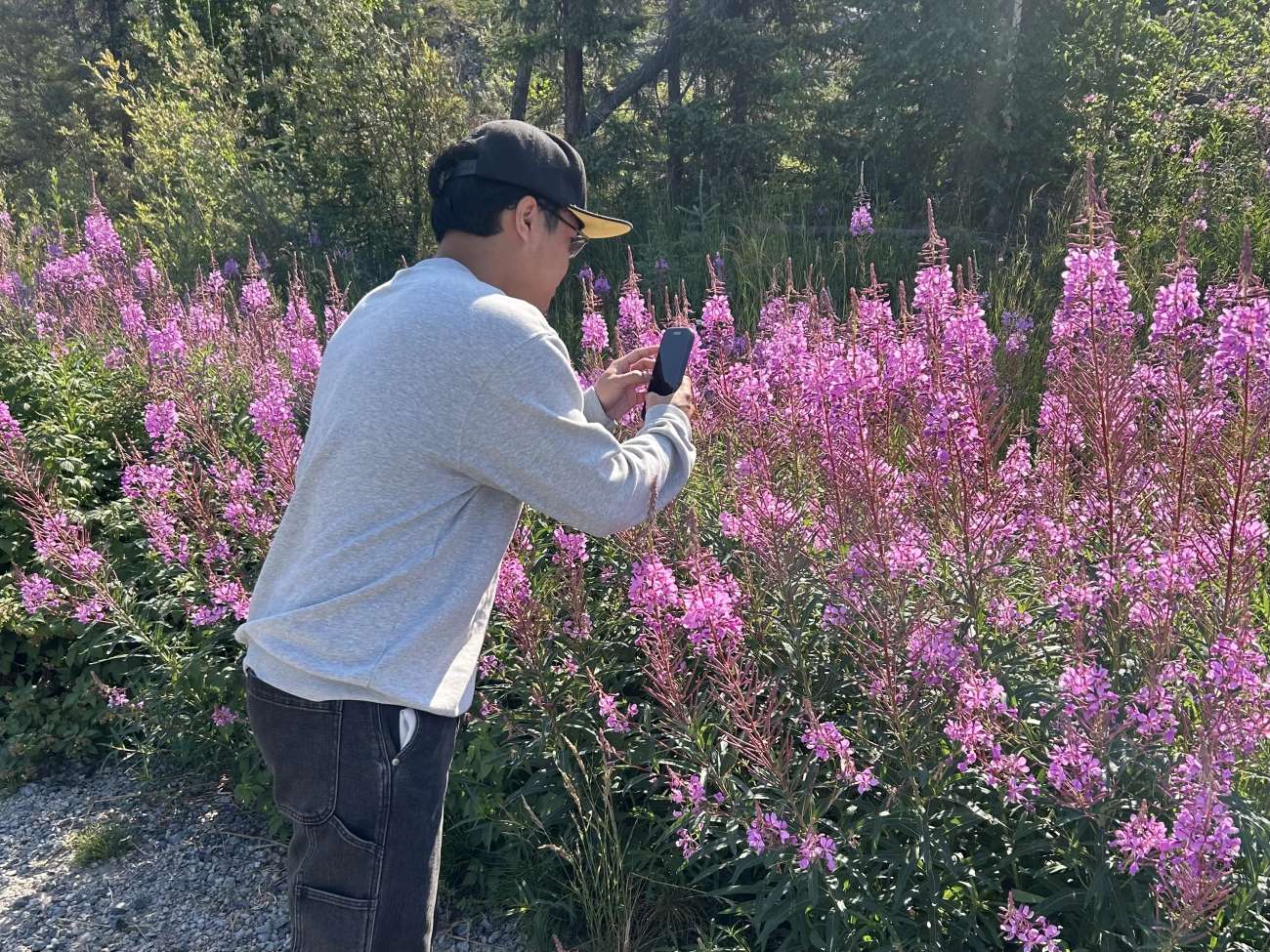
I had so much fun with the Plan Bee Project that I made it a personal goal to spread the word about it as much as I could within our community. To do so, I proposed creating a few social media videos dedicated to advertising various topics related to P2C. Once I got the approval, I worked with Jasmine Marchant, the Development and Communications Associate at P2C, to plan the script for the first video I wanted to make.
On the afternoon of July 23, Anthony and I went out to the Tin Can Hill area where we started filming a video highlighting Plan Bee and how to join. This day was one of my favourite days of the summer. We walked around finding blooming flowers with buzzing bees, had good laughs over bad takes, and celebrated after the good ones. We joked about making Anthony look as good as possible since his girlfriend will watch the video.
Anthony and I ended the summer with the Project Wingspan Workshop held at the Prince of Wales Northern Heritage Centre museum. The workshop was a huge success and could not have been possible without the help of Gavin Hossack, P2C’s Habitat Outreach Program Coordinator, and Andy Grinstead, P2C’s Senior Conservation Manager, who travelled to Yellowknife for the weekend.
The workshop was divided into two segments. Before lunch, Anthony, Andy, and Gavin gave presentations teaching attendees how to properly identify and safely collect seeds from target plants. Since I had spent most of my summer focusing on the fauna side of pollinator conservation rather than the flora side, I found myself learning along with the attendees.
After lunch, we all went outside and walked around the museum grounds, where we looked for the target plants mentioned during the presentations. The three presenters talked more about the plants and seeds while I got to speak with attendees about my own summer experience, including how I had been photographing pollinators and uploading my observations to iNaturalist.
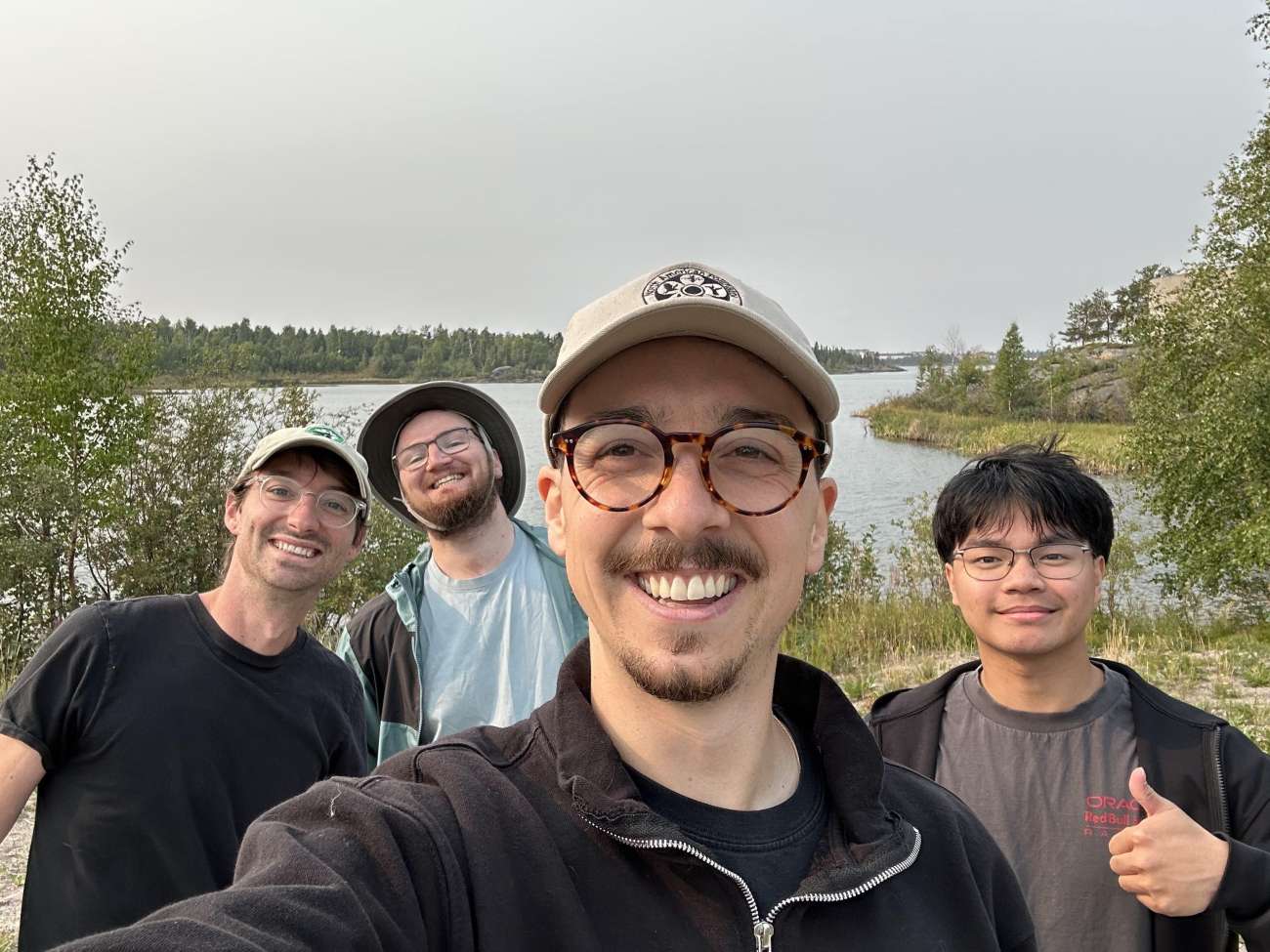
In my opinion, that last weekend could not have gone any better. Outside of the workshop, Anthony and I also got to give Andy and Gavin a tour of Yellowknife. We showed them some of the city's highlights, from Yellowknife's oldest eatery, to an overview of the city from the peak of Pilot’s Monument. I wish this list was longer but we could not think of any other places to give a tour of in our city.
Before we parted ways, the four of us and Anthony's girlfriend, Jill, drove outside the city to hike the Ranney Hill Trail. It was a lot of fun, but it was also there that I further realized just how much I still had to learn. By seeing how quickly Andy, Gavin, and Jill identified all the plants we walked by, and remembering how Anthony can tell what kind of bee flew past him in just a nanosecond. It left me with the ambitious goal of one day being as knowledgeable as they are.
If I could go back and say one thing to the version of myself who was nervous about working with pollinators this summer, I would tell him that it would all work out.
Going into the summer, I was scared that I would not be able to do the job. Not only did I practically know nothing about pollinators, but I also was not sure whether I could physically handle spending so much time outside. Something I never told my supervisors was that I had been dealing with seasonal allergies that seemed to get worse every summer, which had made me spend less and less time outside each year.
I changed some stuff from my daily routines like eating healthier and fixing my sleep schedule in order to reduce the effects of my allergies. I remember when I first started, I would end up with a stuffed nose every time I got back from an observation run. But fast forward to the end of summer, and I was practically out all the time.
So, I would like to thank Anthony and P2C for giving me the opportunity to learn and challenge myself this summer. Not only did I get the chance to contribute to the pollinator world, but I also learned a lot about myself.
If I could go back and say one thing to the version of myself who was nervous about working with pollinators this summer, I would tell him that it would all work out.
Going into the summer, I was scared that I would not be able to do the job. Not only did I practically know nothing about pollinators, but I also was not sure whether I could physically handle spending so much time outside. Something I never told my supervisors was that I had been dealing with seasonal allergies that seemed to get worse every summer, which had made me spend less and less time outside each year.
I changed some stuff from my daily routines like eating healthier and fixing my sleep schedule in order to reduce the effects of my allergies. I remember when I first started, I would end up with a stuffed nose every time I got back from an observation run. But fast forward to the end of summer, and I was practically out all the time.
So, I would like to thank Anthony and P2C for giving me the opportunity to learn and challenge myself this summer. Not only did I get the chance to contribute to the pollinator world, but I also learned a lot about myself.